
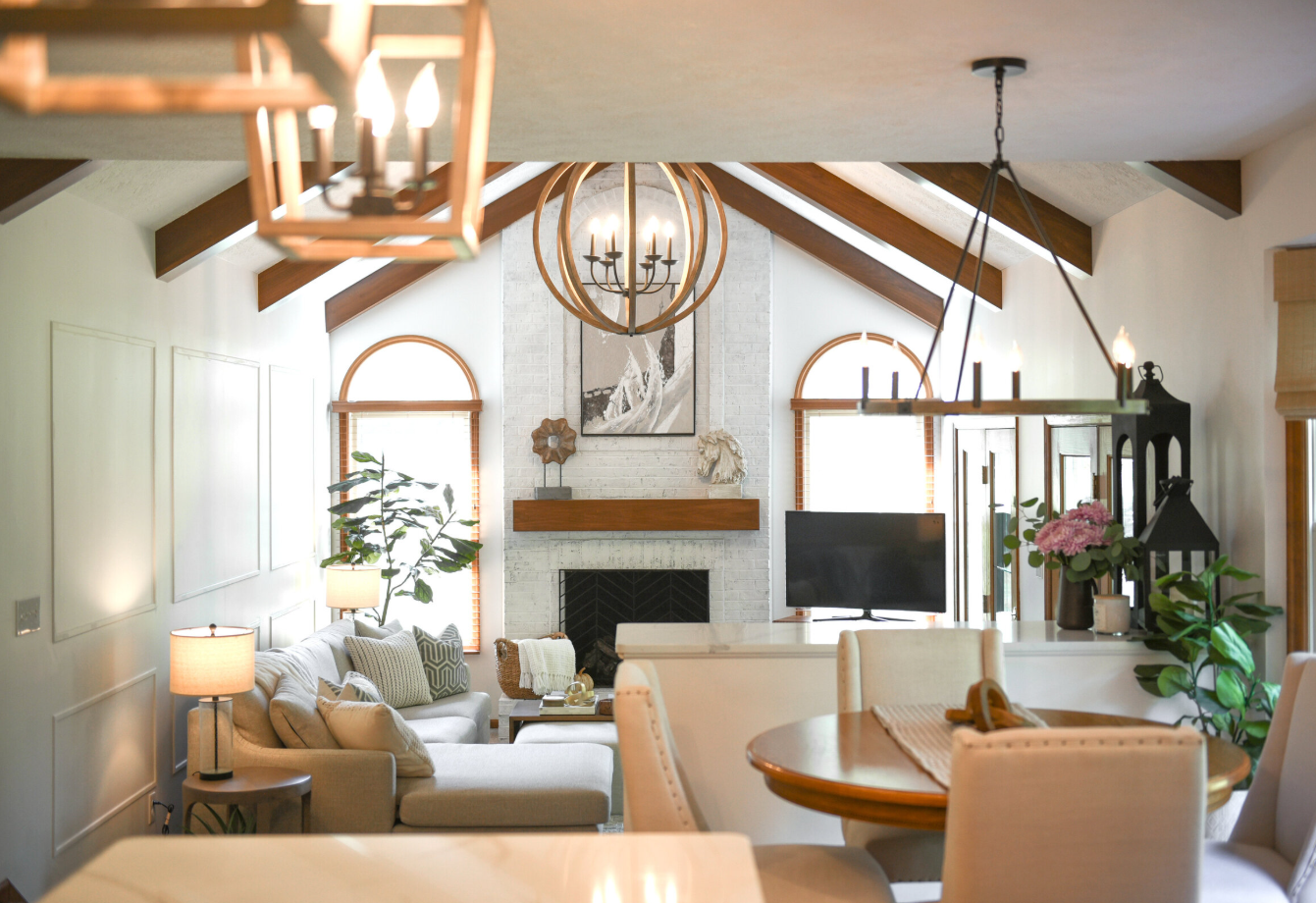
Designers care so much about lighting because light is one of the most powerful and underestimated design tools. It affects everything: what people notice, how they feel, and even how they behave in a space.
When most people begin thinking about interior design, they start with furniture. The sofa. The dining table. The statement chair saved on Pinterest for months before a project even begins. And while furniture absolutely matters, designers tend to focus on something else first, something far less obvious but infinitely more powerful: lighting.
Long before furniture layouts are finalized or fabrics are selected, designers are already thinking about how light will move through a space, how it will evolve throughout the day, and how it will ultimately shape the experience of living there. Lighting does not simply illuminate a room; it defines it. It determines what we notice, how colors appear, how comfortable we feel, and even how our bodies respond to an environment. Furniture fills a room, but lighting gives it life. That distinction is why designers care about it so deeply.
Lighting Shapes How We See a Space
One of the most common misconceptions about interiors is that materials and colors exist independently from their surroundings. In reality, nothing in a space is experienced without light. Paint colors, textiles, finishes, and artwork are constantly transformed by illumination. A warm glow can soften a white wall into something inviting, while cooler lighting can make that same surface feel crisp and architectural. Textured materials may appear rich and dimensional when light grazes across them, yet flat and lifeless under a standard overhead fixture.
Designers understand that lighting acts almost like a real-world filter. The physical elements remain unchanged, but the atmosphere shifts entirely. A carefully selected palette can feel harmonious or disjointed depending solely on how it is lit.
Because of this, lighting decisions often precede final material selections. A color chosen in a showroom or under artificial retail lighting may look entirely different once installed at home, where natural light changes hour by hour and season by season. Thoughtful lighting ensures materials appear as intended and allows architecture, rather than decoration alone, to take center stage. When lighting is right, even simple spaces feel layered and intentional. When it is wrong, even the most beautiful furnishings struggle to shine.
Lighting Establishes Mood Before Design Is Noticed
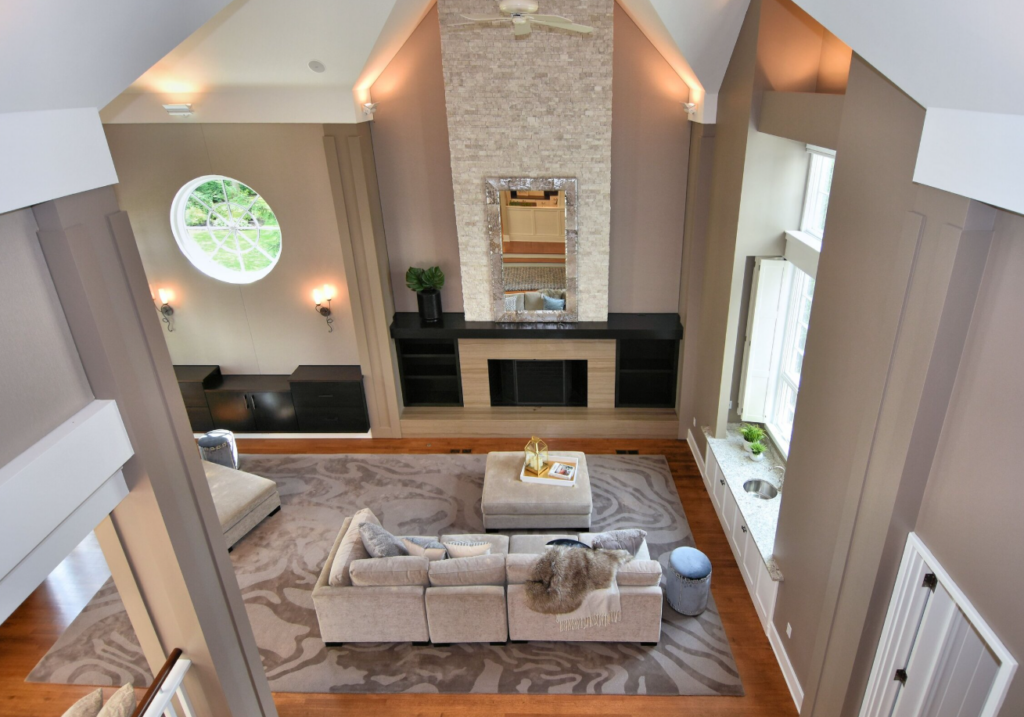
Before we consciously register furniture or decor, we respond emotionally to light.
Walk into a softly illuminated restaurant and your voice instinctively lowers. Enter a brightly lit workspace and your attention sharpens almost immediately. These reactions happen without instruction because lighting communicates with us on a subconscious level.
Designers use this understanding intentionally. Warm, diffused lighting encourages relaxation and intimacy, making spaces feel welcoming and restorative. Brighter, cooler lighting promotes alertness and clarity, supporting productivity and focus. Directional lighting can introduce drama and sophistication, while layered lighting creates balance that feels natural rather than forced.
Hospitality environments demonstrate this principle beautifully. Restaurants rarely rely on harsh overhead lighting because their goal is to encourage guests to linger and connect. The environment subtly invites people to slow down.
Homes benefit from the same approach. A living room designed for unwinding should feel fundamentally different from a kitchen meant for activity or a workspace intended for concentration. Lighting becomes the invisible framework that supports these emotional shifts throughout daily life, allowing a home to adapt to the rhythms of its inhabitants.
Lighting Guides Movement and Attention
Good design often works quietly, shaping experience without demanding attention. Lighting is one of the most effective tools for achieving this subtle guidance.
Humans naturally gravitate toward light. Our eyes are drawn to brightness, contrast, and illuminated focal points before anything else. Designers use this instinct to create hierarchy within a space, highlighting architectural features, emphasizing gathering areas, and establishing visual pathways.
Rather than relying on walls or barriers, lighting can define zones through atmosphere alone. A softly lit corner becomes a place to pause. A brighter surface signals activity. A highlighted artwork becomes a moment of focus within a larger composition.
Retail environments use this strategy deliberately, but in residential design the effect is more nuanced. Lighting gently leads someone from entryway to living space, encourages conversation around a dining table, or draws attention toward meaningful details within a home. Instead of directing behavior overtly, lighting simply invites movement and discovery.
Lighting Supports Comfort and Wellbeing
Beyond aesthetics and atmosphere, lighting plays a profound role in how comfortable a space feels to inhabit. Poor lighting can lead to eye strain, fatigue, and subtle stress. Overly bright environments may feel overwhelming, while dim or uneven lighting can make everyday tasks frustrating. Even sleep patterns are influenced by lighting conditions, particularly exposure to blue light during evening hours, which can disrupt natural circadian rhythms.
Designers approach lighting with human wellbeing in mind. Natural light becomes a priority wherever possible, as daylight supports mood, energy levels, and a sense of connection to the outside world. Artificial lighting is then layered thoughtfully to complement those natural cycles rather than compete with them.
When lighting aligns with how people live, like being bright enough for morning routines, or softer as evening approaches, spaces feel intuitive and supportive. Clients often describe this outcome simply as a home that “feels good,” even when they cannot pinpoint exactly why. That sense of ease is rarely accidental. It is carefully designed through light.
Lighting Tells the Story of a Space
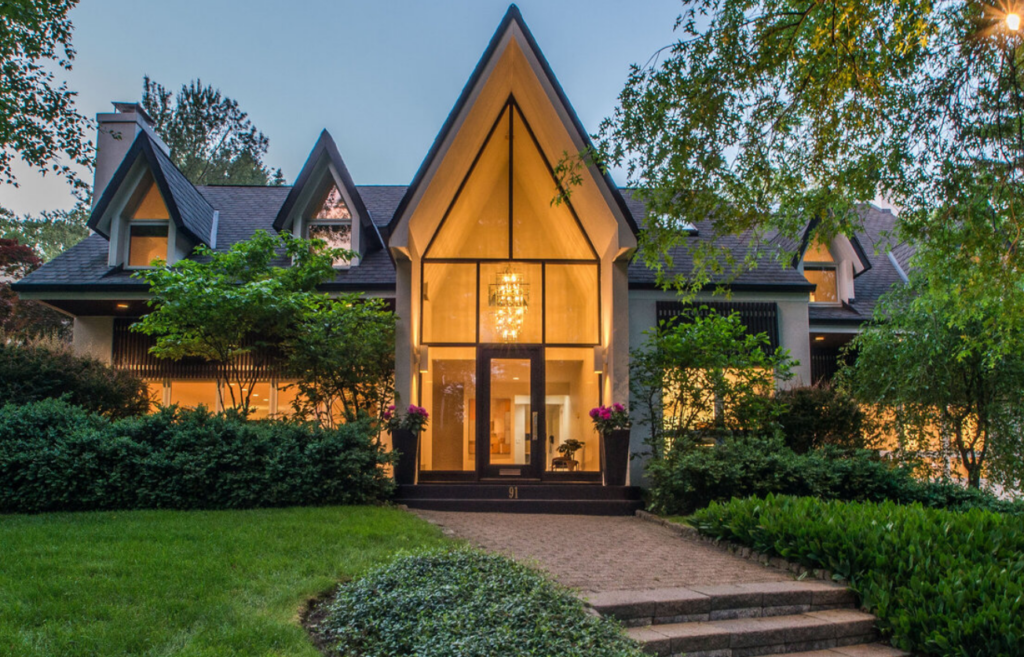
Every thoughtfully designed interior communicates something about identity and intention. Lighting plays a central role in shaping that narrative. Different lighting qualities can suggest entirely different experiences. Bright, clean illumination often conveys clarity and modernity, while warm, intimate lighting signals comfort and luxury. Soft, diffused light creates calm, restorative environments that encourage relaxation.
Hotels, galleries, and retail spaces rely on lighting to reinforce brand identity long before signage or decor is consciously noticed. The same principle applies to residential design. Lighting helps express whether a home feels serene or dramatic, contemporary or timeless, energetic or restful.
In this way, lighting becomes emotional storytelling. It reinforces architectural decisions and strengthens the atmosphere designers create alongside their clients. Rather than serving as a finishing touch, it becomes part of the narrative foundation of the space itself.
Functionality Begins With Light
While lighting carries emotional and aesthetic significance, it must also perform a practical role. A space cannot succeed if it does not function comfortably for everyday life.
A kitchen requires clear illumination for preparation and safety. A reading corner needs focused light that supports concentration without strain. Hallways and transitions must feel secure and navigable at all hours.
Designers achieve this balance through layered lighting strategies that combine general illumination, task lighting, and accent lighting. Each layer serves a purpose while contributing to the overall atmosphere.
This approach allows spaces to evolve throughout the day. Morning light feels energizing and clear, while evening lighting transitions into warmth and softness. The home responds to its occupants rather than remaining visually static.
When lighting functions properly, daily routines feel effortless. When it does not, even the most visually stunning interior becomes difficult to live in.
How Designers Layer Light: A Practical Example in the Kitchen
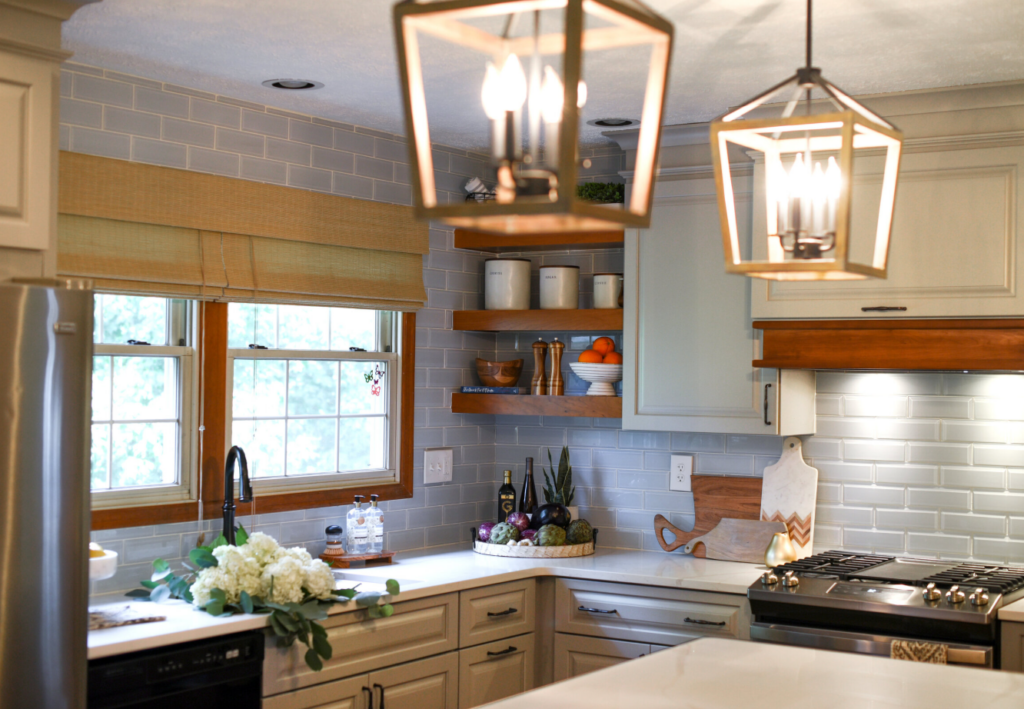
While lighting often feels atmospheric or emotional, it is also deeply practical. One of the ways designers translate lighting theory into everyday living is through layering or combining different types of light so a space functions beautifully at every hour of the day. Rather than relying on a single overhead fixture, designers think about lighting as a system made up of several roles working together. Each type of lighting serves a distinct purpose, and when thoughtfully combined, they create spaces that feel intuitive, comfortable, and visually balanced. The kitchen offers one of the clearest examples of this approach because it must support both function and atmosphere simultaneously. It is a workspace, a gathering area, and often the emotional center of the home, meaning lighting must adapt to many different moments throughout the day.
The foundation of any lighting plan begins with ambient lighting, sometimes referred to as general lighting. This layer provides overall illumination that allows a space to feel open and usable. In a kitchen, ambient light often comes from recessed ceiling fixtures paired with natural daylight from windows. Together, they establish a consistent level of brightness that allows movement and orientation without creating harsh contrasts.
From there, designers introduce task lighting, which focuses on supporting specific activities. Kitchens require precision (chopping, cooking, reading recipes) and overhead lighting alone often creates shadows exactly where light is needed most. Undercabinet lighting is a common solution, illuminating countertops directly so work surfaces remain clear, comfortable, and safe to use.
Once functionality is established, lighting begins to shape character through decorative lighting. Pendants above an island or a sculptural chandelier over a dining area contribute to the design language of the space. These fixtures are often what homeowners notice first, yet designers view them as one layer within a larger composition rather than the primary source of light. Decorative lighting adds personality and visual rhythm, helping the kitchen feel connected to the overall aesthetic of the home.
The final layer, accent lighting, introduces depth and subtle drama. This might include toe-kick lighting beneath cabinetry that creates a soft glow along the floor, uplighting above cabinet molding that emphasizes ceiling height, or interior lighting within glass display cabinets that highlights meaningful objects. Wall sconces can also serve both decorative and accent roles, washing light gently across surfaces and softening architectural edges. These quieter lighting moments are often what make a space feel elevated, even when their presence is barely noticed.
Together, these layers transform lighting from a single utility into a dynamic environment. Flexibility is equally important. Incorporating dimmer switches allows lighting to evolve throughout the day, shifting from bright and energetic during morning routines to warm and relaxed in the evening. A kitchen that feels vibrant during meal preparation can transition seamlessly into an intimate gathering space simply through adjusting light levels.
Advancements in LED technology have expanded these possibilities even further. Modern systems allow designers to adjust color temperature, moving between cooler light for daytime productivity and warmer tones that support relaxation at night. In some cases, subtle colored lighting can even be introduced to create playful or atmospheric moments, offering homeowners greater control over how their environment feels.
Equally impactful, though often invisible, is the planning that happens behind the walls. When a designer is involved early in the design process, lighting decisions extend beyond fixture selection to include the switching plan itself. Thoughtful placement of light switches ensures they are located exactly where they are needed, aligning with natural movement through a home. Something as simple as entering a room and instinctively reaching a switch in the right location contributes to a sense of ease that clients feel daily but rarely consciously notice. This is where lighting design becomes truly personal. It is not only about how a space looks, but how it supports the rhythms of everyday life. A well-designed kitchen lighting plan demonstrates how layered lighting blends beauty, comfort, and practicality into a cohesive experience — illustrating why designers devote so much attention to light long before furniture or finishes are finalized.
Lighting Exists Between Science and Art
Part of what makes lighting so compelling to designers is that it exists at the intersection of technical precision and creative expression. Lighting design involves measurable elements such as brightness levels, color temperature, and fixture performance. At the same time, it requires intuition — understanding how shadows shape emotion, how contrast creates depth, and how people psychologically perceive space.
Few design tools require such a balance between analytical thinking and artistic sensitivity. Lighting combines physics, psychology, and aesthetics into a single medium capable of transforming experience without altering architecture itself.
Small adjustments in lighting can completely redefine how a space feels, proving that design impact does not always come from adding more, but from shaping what already exists.
Why Furniture Comes Second
Furniture is tangible and easy to imagine. It is often the most visible element in a room, which is why many people assume it is the starting point of design. But designers know that furniture is only fully successful when supported by thoughtful lighting.
Beautiful furnishings placed in poor lighting lose depth and presence. Colors appear inaccurate, textures disappear, and the room feels disconnected. Conversely, when lighting is carefully considered, even modest pieces feel refined and intentional.
This is why designers begin by asking experiential questions rather than aesthetic ones. How should this space feel in the evening? Where should attention naturally fall? How will someone move through the room throughout the day? The answers almost always begin with light.
The Element That Brings Everything to Life
At its core, interior design is not about objects but about experience. Lighting shapes perception, emotion, comfort, movement, and memory within a space. It supports wellbeing, reinforces identity, and transforms everyday routines into meaningful moments. Furniture may define what fills a room, but lighting defines how that room is lived in.
The next time you walk into a space that feels effortlessly beautiful, pause before admiring the furniture. Notice how the light moves, where it gathers, and how it makes you feel. Chances are, that is where the design truly began.

