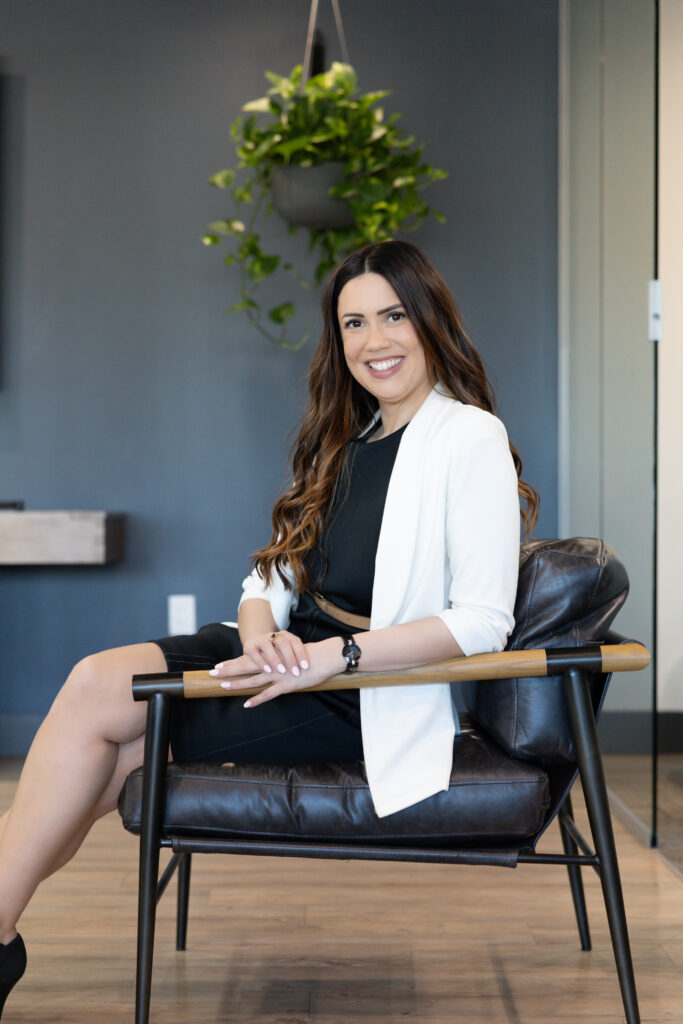
Why I Chose to Rebrand: Designing What Comes Next
Rebranding isn’t something you do on a whim—especially when your business is deeply personal and built on years of trust, relationships, and craft. For me, this rebrand wasn’t about chasing trends or starting over. It was about alignment. About finally making the outside of my business reflect the depth, clarity, and intention that has always guided the work itself.
Growth Has a Way of Asking for Change
When I first started my business in 2015, the work looked very different than it does today.
Unexpectedly, I was called in to assess a $1.5 million property for staging—a pivotal moment that would quietly shape the direction of my business. At the time, I had already worked professionally as an interior designer within design-build and architectural firms, gaining deep technical and spatial experience. But luxury real estate staging became the entry point for building something of my own.
That’s how Designed to Sell Homes was born.
The name made sense then. My focus was helping high-end properties show at their absolute best, understanding buyer psychology, circulation, light, and first impressions. Staging sharpened my eye, my efficiency, and my ability to make strategic design decisions quickly—skills that continue to inform my work today.
As the business grew, so did the scope. Clients began asking for more than staging: renovations, furnishings, space planning, and full-service design leadership. The projects became more complex. The clients more discerning. The work expanded beyond preparing homes for sale into creating spaces meant to be lived in, worked in, and invested in long-term.
My background in architecture and building—once something I quietly carried—became central to how I design and lead projects.
Yet my brand hadn’t caught up.

The Magic of Staging—and Its Limits
There were many things I genuinely loved about luxury real estate staging.
I was energized by the quick transformation of a space—the before-and-after contrast, the pace, the decisiveness. There was something incredibly rewarding about walking into a home that felt overlooked or stagnant and, in a matter of days, breathing new life into it.
What made it even more exciting was the outcome. Often, the homes I staged had been sitting on the market for six months or more with little interest. Then, once staged, they were suddenly in demand—multiple buyers, renewed momentum, a palpable shift in perception. There was a certain magic to staging: the ability to change how a space is seen, felt, and valued almost overnight.
But a few years into building my business around luxury staging, I faced a major setback.
A Turning Point I Didn’t Plan For
When I was 15 years old, I was in a serious auto accident. I broke my back and spent time in a wheelchair and body brace while recovering. Although that injury never fully disappeared, it was something I learned to manage—until 2019, when it came back with a vengeance.
Disc and nerve issues surfaced, and suddenly the physical demands of staging became unsustainable.
I tried to adapt. I brought in assistants to handle the physical labor while I directed from the sidelines. But staging is tactile and intuitive—it’s about moving, adjusting, feeling scale and proportion in real time. Designing with my hands metaphorically tied behind my back was frustrating and creatively limiting.
I reached a difficult but clarifying realization: while I still loved staging, it could no longer be the foundation of my business.
I came to understand that a business, like a body, must be designed to support longevity—and that physical sustainability and business sustainability are ultimately inseparable.
Returning to My Roots
That moment forced a pivot—one that, in hindsight, brought me back to where I truly belong.
I returned to my roots as a trained interior designer and began offering interior design services to homeowners and business owners. The work became less about speed and turnover, and more about depth, longevity, and transformation that unfolds over time.
As a short-term fix, I updated my business cards and began operating under the name DTSH Interiors. And, as the saying goes, there’s nothing more permanent than a short-term fix—I carried that name for several years as the business continued to evolve beyond its original frame.
What became increasingly clear was that I needed a brand that could fully hold the business I was actually running.
I realized I wasn’t evolving away from who I was—I was stepping more fully into it.
Clarity Over Reinvention
This rebrand wasn’t about erasing the past. It was about distilling it.
I took a hard look at what consistently defines my work:
- A strong architectural foundation
- Thoughtful space planning and project management
- Layered textures and sculptural forms
- Interiors that feel refined, calm, and intentional—never overdone
The new brand is quieter, more resolved, and more focused. It doesn’t try to explain everything at once; instead, it communicates experience and restraint—qualities my clients value and expect.
In many ways, the rebrand mirrors the same philosophy I bring to design: editing instead of adding, clarifying instead of embellishing.
Designing for the Clients I Serve Today
As my business matured, so did my ideal client.
Today, I primarily work with individuals and organizations who are successful, busy, and deeply intentional about how they live and work. They don’t want to micromanage. They want a partner—someone who can translate vision into reality, manage complexity, and deliver beauty without chaos.
The rebrand allowed me to speak directly to them.
From the language on my website to the visual identity itself, every decision was made with this client in mind: someone who appreciates design that feels elevated but livable, luxurious but grounded, expressive yet timeless.
A Brand Shaped by the Right Partners
When I finally committed to rebranding in a meaningful way, I had the opportunity to work with some truly incredible professionals. LARue Studio led the design of my brand identity, website, and color palette—translating years of experience, evolution, and clarity into a visual language that finally felt aligned.
The result is a brand that feels grounded, architectural, and quietly confident—one that reflects both where I’ve been and where I’m going.
A Brand That Supports What Comes Next
Perhaps the most important reason I rebranded is forward-looking.
This next chapter includes:
- Larger-scale residential and commercial projects
- More integrated renovation and furnishing services
- Deeper collaboration with architects, contractors, and trades
- A continued emphasis on leadership, education, and thought partnership within the design industry
I needed a brand that could grow with me—one that wouldn’t need to be re-explained or reworked every time the business expanded.
An Invitation
Rebranding is vulnerable. It asks you to be honest about where you are, not just where you started. But it can also be incredibly grounding.
This new identity feels like home.
If you’ve followed my work for years, thank you for growing with me. And if you’re new here, I’m so glad you found your way in. I look forward to creating spaces—and experiences—that reflect not just how you want things to look, but how you want to live.
— Laura