
When designing a thoughtfully layered interior, few elements have as much impact as fabric. Beyond color and form, textiles introduce texture, movement, and sensory richness—quietly defining how a space feels as much as how it looks.
Luxury fabrics, in particular, offer an opportunity to elevate everyday living. When used intentionally, they bring depth, refinement, and a sense of permanence to your home. Below are some of the most timeless materials we incorporate into our projects to achieve that balance of beauty and livability.
Silk: Effortless Elegance
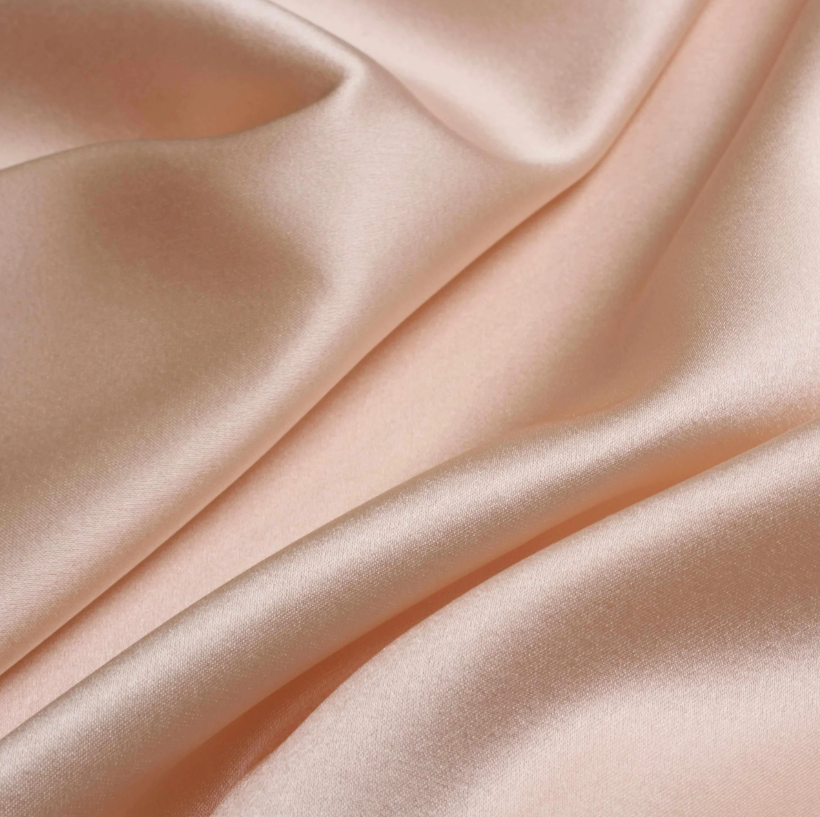
Silk is synonymous with sophistication. Its natural sheen and fluid drape make it an ideal choice for window treatments, bedding, and decorative accents. Whether filtering natural light through drapery or adding softness to a bedroom, silk introduces a quiet, luminous quality that feels inherently refined.
Silk is a natural protein fiber that comes from Bombyx more moths, (or silkworms,) who spin cocoons. The production includes feeding silkworms mulberry leaves, harvesting their cocoons, and then boiling or steaming them and unwinding the fiber to weave into fabric.
Velvet: Depth and Dimension
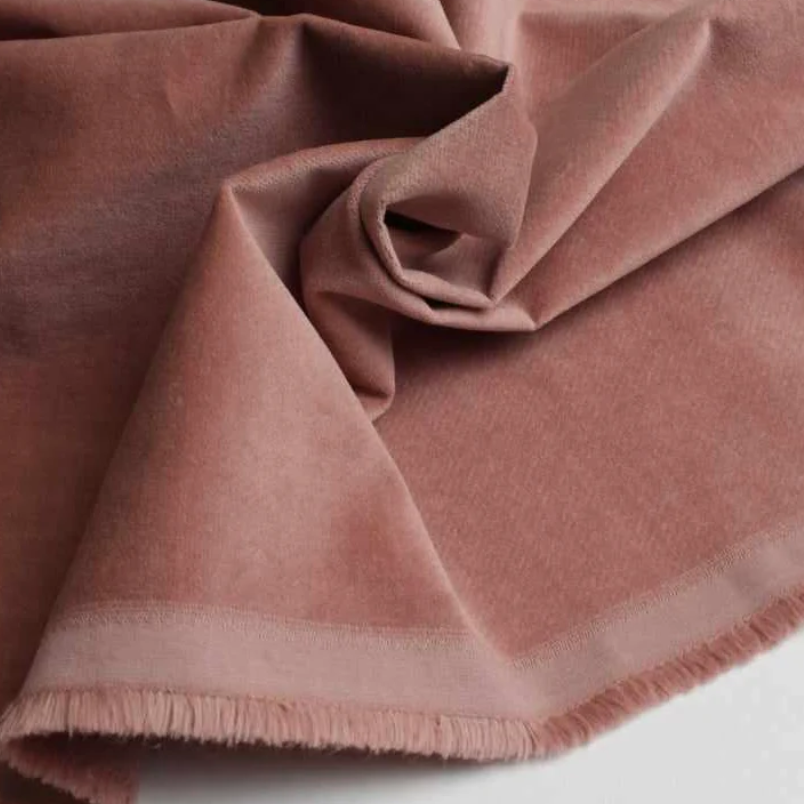
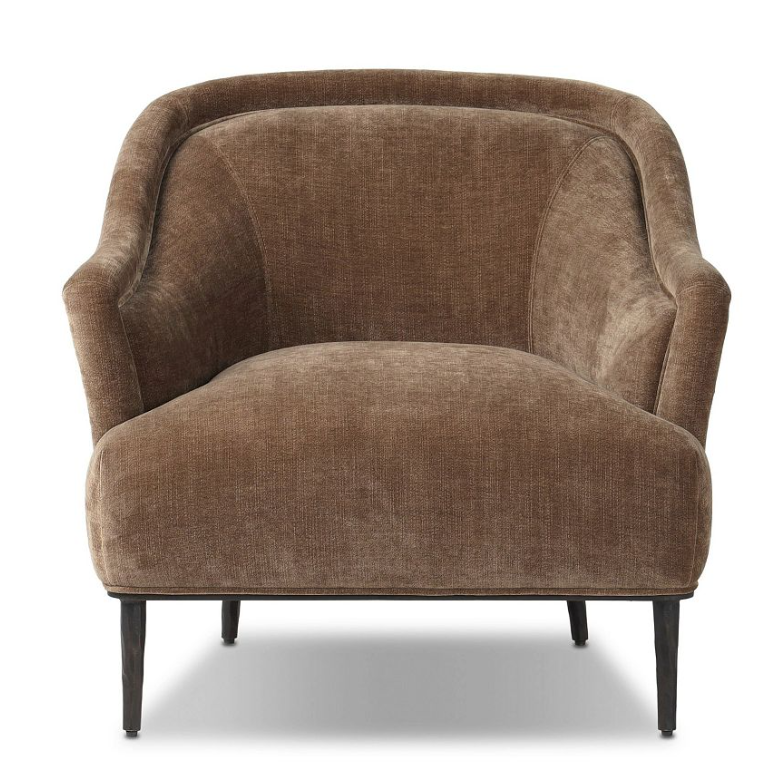
Velvet is a go-to for creating warmth and visual richness. Its plush pile reflects light in a way that adds dimension, making it especially effective for upholstery, pillows, and drapery. In both classic and contemporary interiors, velvet delivers a sense of comfort layered with polish.
Velvet is a plush, woven fabric characterized by a short, dense, cut pile that gives it a soft texture and shimmering appearance. It is made by weaving two layers of fabric, which is then split apart to create a pile. Velvet can be made of fibers such as silk, cotton, viscose, and rayon.
Cashmere: Understated Luxury
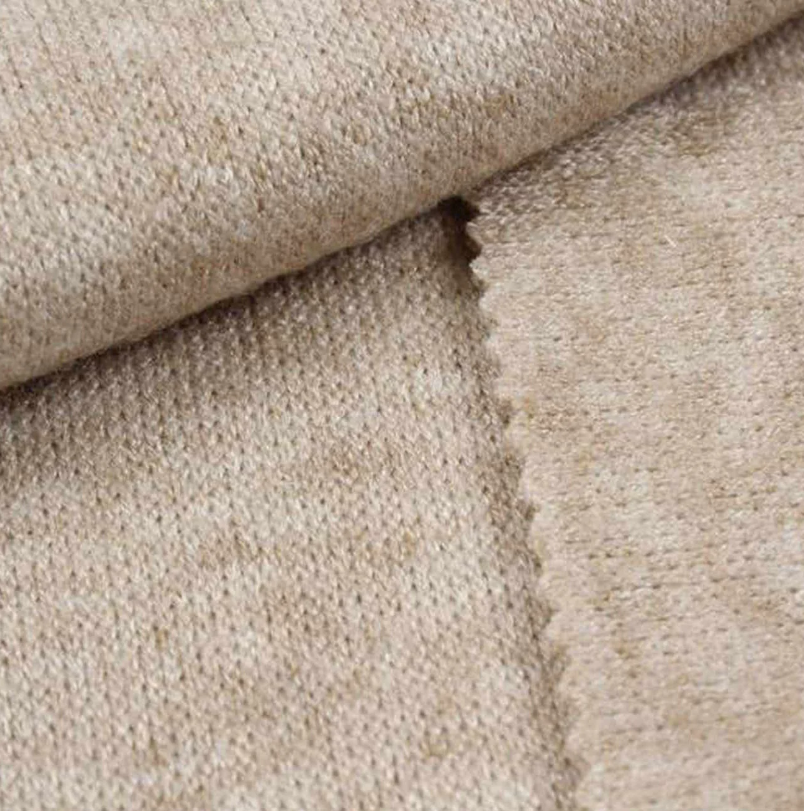
Soft, lightweight, and incredibly tactile, cashmere brings a subtle indulgence to a space. Best used in throws or cushions, it enhances comfort while maintaining a clean, elevated aesthetic. It’s an ideal finishing layer—one that invites use without overwhelming the design.
It comes from cashmere goats, which are often found in high-altitude, cold climates like Mongolia and the Gobi Desert. The undercoat is collected during the spring molting season by meticulously combing the goats to remove the soft down. This is a gentle, sustainable process.
Leather: Timeless and Enduring
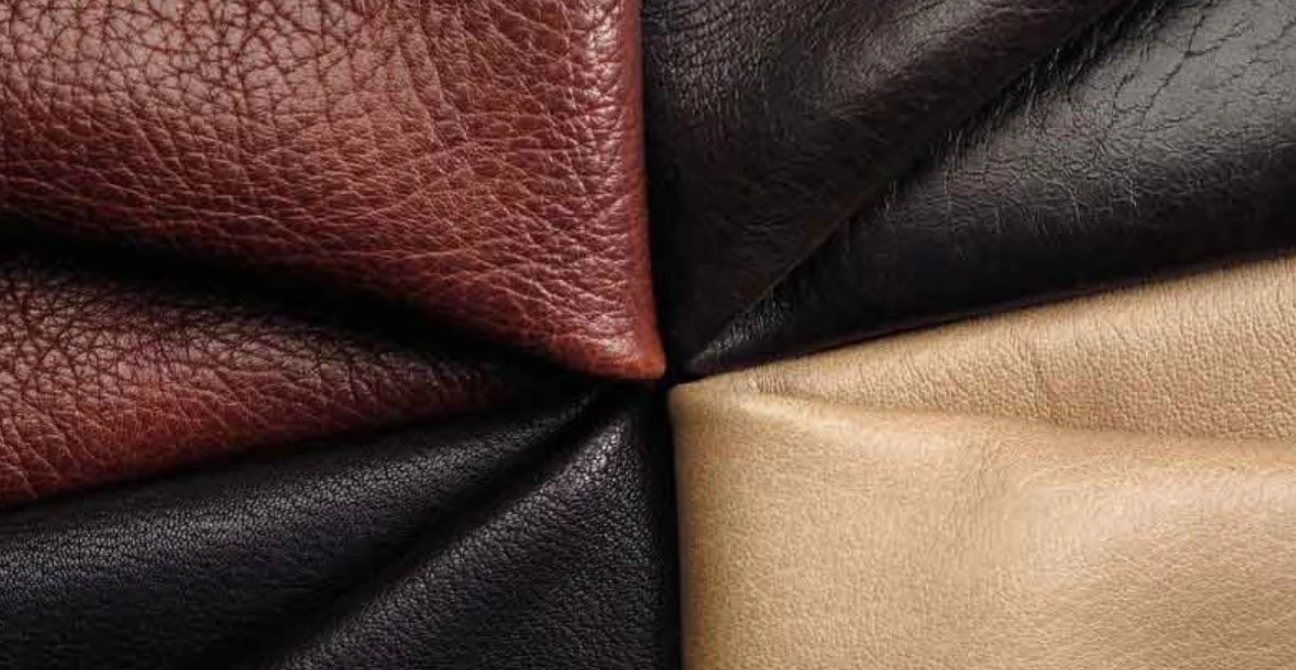
Leather remains a cornerstone of luxury interiors for its durability and character. Over time, it develops a rich patina that tells a story, making it as practical as it is beautiful. From sofas to accent chairs, leather grounds a space and adds a tailored, architectural quality.
Leather is made by cleaning, preserving and tanning animal hides to turn into a durable and flexible material. The process involves preparing the hides, tanning using chemicals such as chromium or natural materials and finishing with oils and dyes to create specific textures and colors.
Satin: Soft Sheen and Refinement
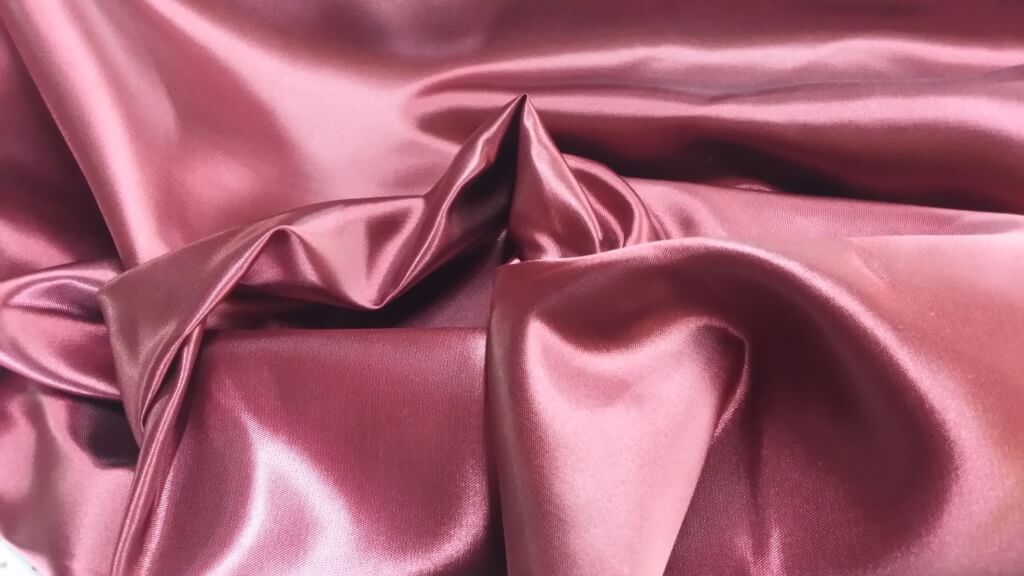
Satin’s smooth, glossy surface introduces a refined touch of glamour. Satin is a luxurious fabric characterized by a glossy surface and dull back, created using a specific weaving technique—not from a single raw material. Originally made from silk, modern satin is typically created from synthetic fibers like polyester or nylon for durability. A satin weave structure uses a “four-shaft” or higher structure, where one warp yarn floats over four or more weft yarns before going under one.
What is the difference between Satin and Sateen? While satin uses filament (long, smooth) fibers, sateen is made of short-staple fibers like cotton, offering a softer, less shiny feel.
Often used in bedding, pillows, or drapery, it works best when layered with more matte textures to create contrast and visual balance.
Mohair: Performance Meets Luxury
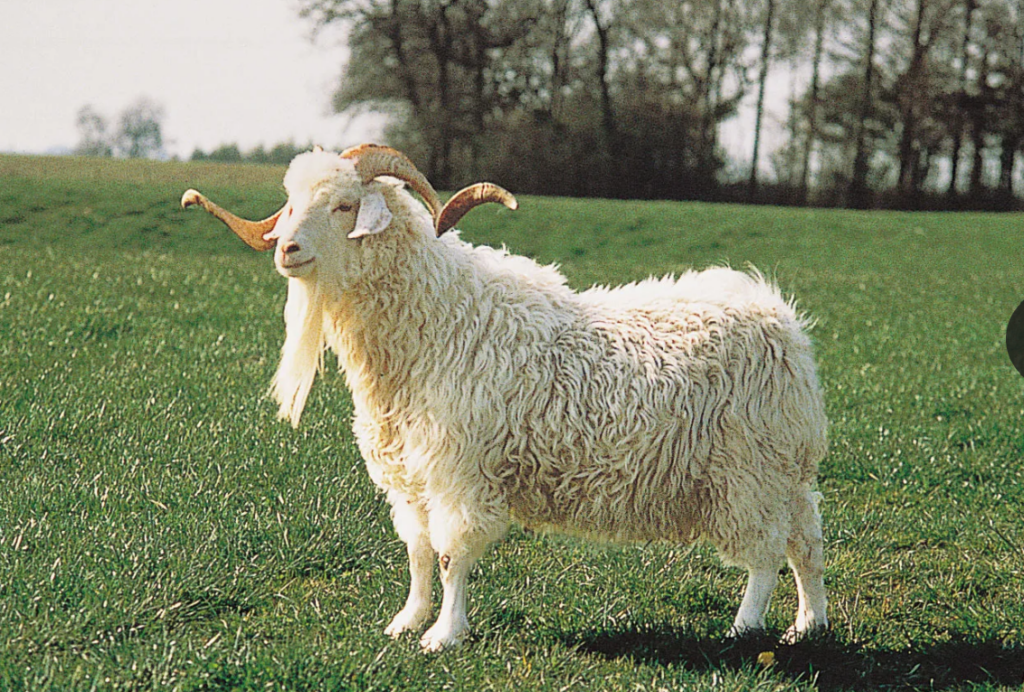
Mohair is one of the most versatile luxury textiles. Known for its resilience and soft luster, it performs exceptionally well in high-traffic areas while maintaining a sophisticated appearance. It’s a smart choice for upholstery where durability is essential without sacrificing style.
Mohair wool comes from long-haired Angora goats, which are also known as mohair goats. Advantages include exceptional warmth, moisture-wicking, fire resistance, and dyeing capabilities, while disadvantages often involve a higher price, potential itchiness, and shedding.
Brocade: Statement and Detail
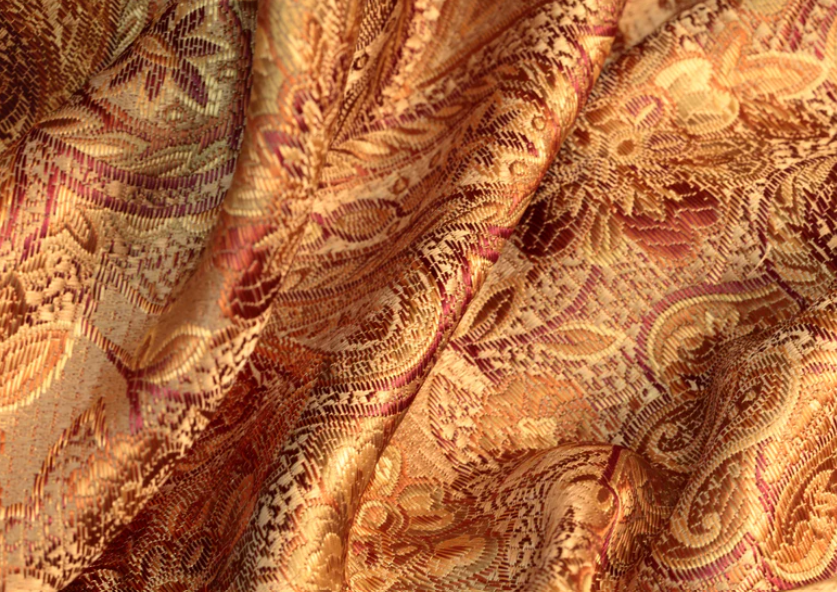
Brocade is defined by its intricate patterns and often dimensional weave. Patterns are woven into the fabric rather than printed, often using a supplementary weft, which gives it a textured, 3D effect. It often features metallic threads, floral motifs, or complex patterns. It is a generally a medium-to-heavyweight fabric that holds its shape well. It is often reversible, the design is visible on both sides, though the back may have loose, floating thread
Used thoughtfully, it adds a sense of heritage and artistry to a space. We often incorporate it through accent pieces—pillows, benches, or occasional chairs—to create moments of visual interest.
Design Perspective: Balancing Beauty and Livability
True luxury isn’t just about how a space looks—it’s about how it functions and feels over time. The most successful interiors are those that integrate elevated materials in a way that supports daily life.
Selecting the right fabrics means considering durability, maintenance, and how each space is used. When these elements are aligned, luxury becomes not just aesthetic, but experiential.

